Why Most Task Management Advice Doesn’t Stick
There’s no shortage of productivity advice out there. And yet, teams still miss deadlines, lose track of work, and feel overwhelmed by their to-do lists.
The problem usually isn’t effort. It’s the system.
When tasks are scattered across emails, chat threads, and personal notes, no one has the full picture. Work gets duplicated, deadlines get missed, and managers spend their days tracking down updates instead of actually leading.
The good news? You don’t need a complicated system to fix this. You just need a few smart strategies and the right tools to back them up.
1. Start With a Single Source of Truth
If your team uses three different apps to manage work, you already have a problem. The first step to better task management is simple: put everything in one place.
When tasks, deadlines, and priorities all live in one shared space, your whole team is working from the same playbook. No one’s out of the loop. No task falls through the cracks.
A good visual task management tool makes this easy. Boards, lists, and cards give your team a clear picture of what needs to happen, who owns it, and when it’s due. At a glance, everyone knows where things stand.
MyTaskOwl is built around exactly this idea. Its visual task boards keep work organized, transparent, and easy to navigate for teams of any size.
2. Keep Tasks Small and Specific
Vague tasks are productivity killers. “Work on the proposal” could mean anything. “Write the executive summary section by Thursday” gives someone a clear target to hit.
When you break big projects into smaller, specific tasks, a few good things happen. People know exactly what to do next. Progress becomes visible. And that feeling of momentum builds naturally as items get checked off.
Think of it like a recipe. You don’t just write “make dinner.” You list each step. The same principle applies to team tasks.
Quick tip: Aim for tasks that can realistically be completed within one to two days. Anything longer probably needs to be broken down further.
3. Use AI-Powered Time Tracking to Work Smarter
Here’s something teams often overlook: you can’t improve how you work if you don’t know where your time is actually going.
AI-powered time tracking changes that. Instead of relying on memory or rough estimates, your team gets accurate data on how long things actually take. That means better project estimates, fairer workload distribution, and fewer unpleasant surprises at deadline time.
But the best AI-powered time tracking tools do more than just log hours. They surface patterns, flag when someone is overloaded, and help managers make smarter decisions without having to dig through spreadsheets.
MyTaskOwl’s time tracking features are designed to be transparent and fair. Employees clock in and out with ease, tasks are tracked automatically, and managers get clear reports without any guesswork. Everyone benefits from the clarity.
4. Assign Ownership Clearly
Every task needs one person responsible for it. Not a group. Not “the team.” One person.
This isn’t about putting pressure on individuals. It’s about removing confusion. When ownership is unclear, tasks stall because everyone assumes someone else is handling it.
Assigning clear ownership also makes recognition easier. When a task is completed successfully, you know exactly who to celebrate. And celebrating wins, even small ones, is one of the most powerful ways to keep a team motivated.
5. Build a Positive Work Culture Around Progress

Task management isn’t just about getting things done. It’s about how your team feels while getting things done.
Teams that feel recognized and encouraged consistently outperform teams that only hear from managers when something goes wrong. Building a positive work culture platform into how you manage work makes a real difference.
That means acknowledging effort, not just results. Celebrating milestones, not just final deliveries. Checking in with encouragement, not just asking for status updates.
MyTaskOwl was designed with this in mind. Its AI companion, Ollie, motivates teams with friendly prompts, celebrates wins, and gently nudges people when momentum slows. It’s like having a supportive coach built right into your workflow.
6. Review and Reset Weekly

Even the best systems need maintenance. A quick weekly review helps your team close out the week with clarity and start the next one with confidence.
It doesn’t have to be long. A 15-minute async check-in covering what got done, what’s moving to next week, and what needs attention is enough. The goal is to catch small problems before they become big ones and to keep the whole team aligned.
Use your visual task management tool to run these reviews. When everything is already visible in one place, the review practically runs itself.
7. Let the Right Tools Do the Heavy Lifting
You shouldn’t have to manually remind people about deadlines, chase status updates, or spend your evenings reorganizing task lists. That’s what good tools are for.
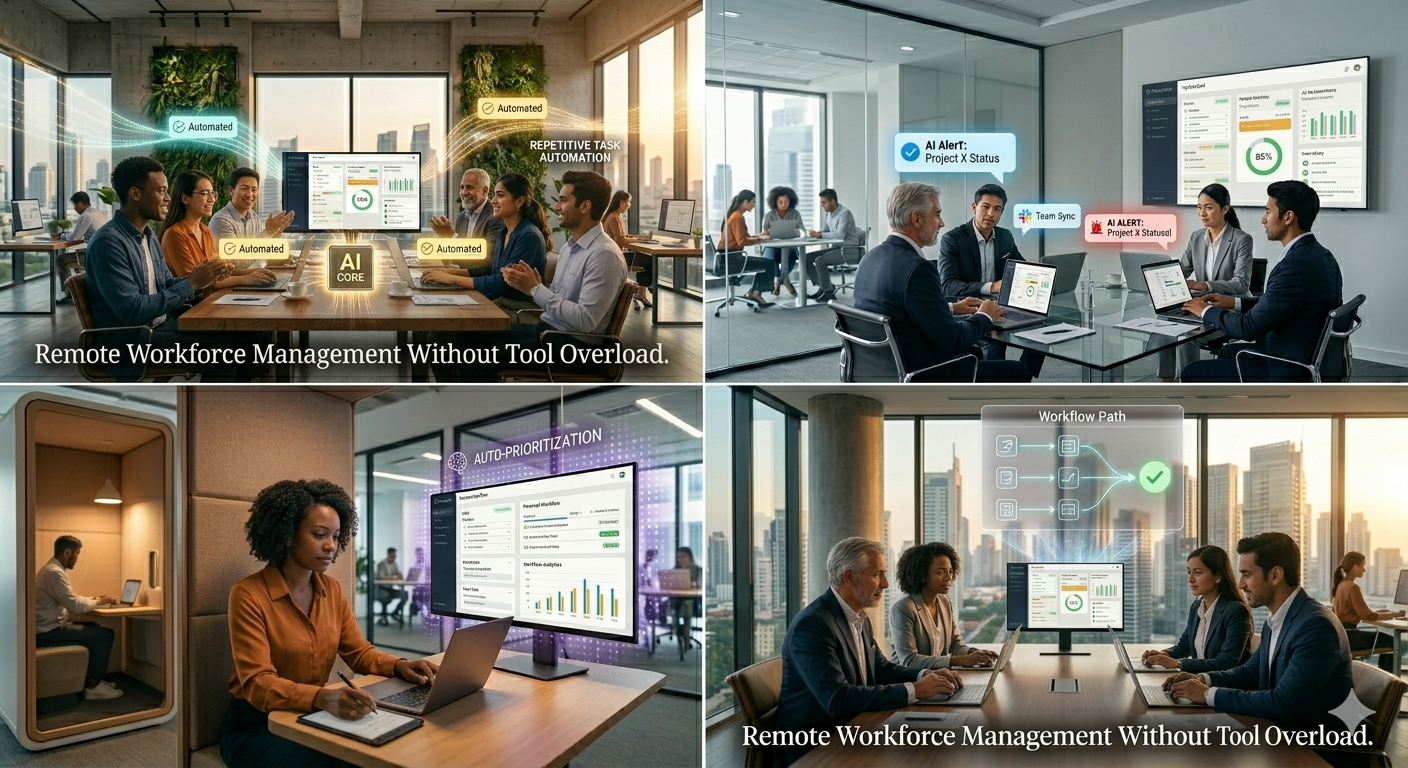
The right AI-powered time tracking and task management platform handles the administrative side of work automatically. Smart reminders, real-time updates, and clear dashboards free up your time and energy for the work that actually matters.
MyTaskOwl brings task management, scheduling, time tracking, and team motivation into one easy-to-use platform. It’s ideal for remote teams, agencies, BPOs, and freelancers who want to stay organized without the overhead of managing multiple tools.
And right now, it’s free to use during the Beta phase. There’s no better time to give your team a system that actually works.
Simple Systems, Stronger Teams
The teams that thrive aren’t the ones with the most complicated processes. They’re the ones with clear expectations, good visibility, and a culture where people feel supported and recognized.
Start with these strategies. Get your tasks organized, track your time with intention, celebrate progress, and let tools like MyTaskOwl handle the rest.
Good work feels good when the right system is behind it.
Want to put these strategies into action? Try MyTaskOwl free today and see how your team’s productivity can take off.