“Just trust your team” is one of those pieces of management advice that sounds great in a LinkedIn post and falls apart the moment a deadline gets missed for the third time in a month. Trust matters — but trust without visibility isn’t a strategy, it’s a hope. And when it comes to remote team accountability, hope doesn’t scale past five employees.
The teams that actually thrive in remote and hybrid environments aren’t the ones with the most trust-fall exercises. They’re the ones with the right systems. Here’s what real accountability looks like when you combine human trust with smart AI task management software — and why a visual task management tool might be the missing piece in your workflow.
The Real Problem Isn’t Laziness — It’s Invisibility
When work happens in a shared office, accountability is almost automatic. You see who’s at their desk, who’s behind, who needs help. Remote work removes all of that ambient visibility, and most companies never replace it with anything else.
The result? Managers either swing toward constant check-ins (which feels like surveillance) or total hands-off trust (which leaves problems unnoticed until they’re expensive). Neither extreme works. What teams actually need is structured visibility — a system that shows real progress without requiring anyone to narrate their day in a Slack thread.
Boards, Lists, and Cards: Why Visual Workflows Win
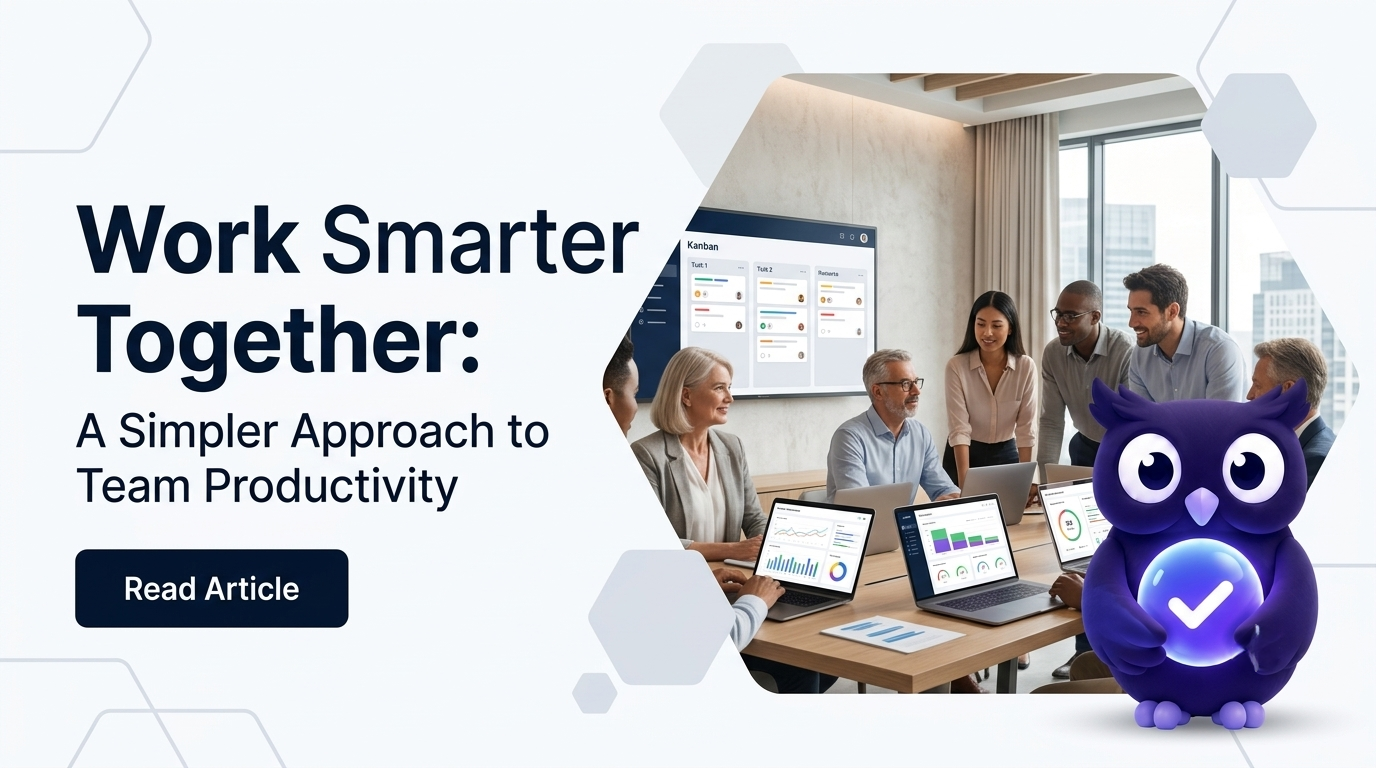
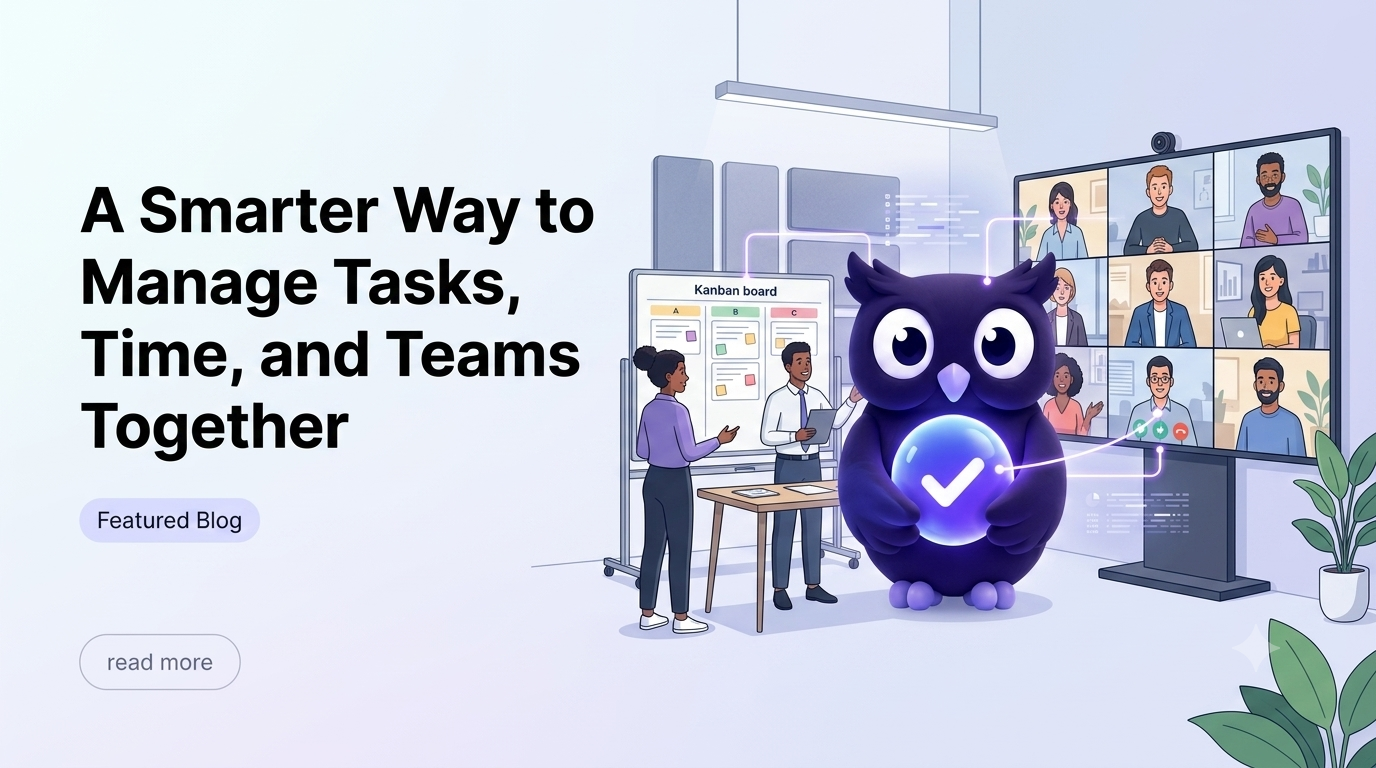
A kanban board for teams isn’t a new idea, but it’s one of the most effective ways to make remote work visible at a glance. Instead of digging through email threads or asking “where are we on this?”, a visual board lets anyone — manager or teammate — see exactly what’s in progress, what’s overdue, and what’s done.
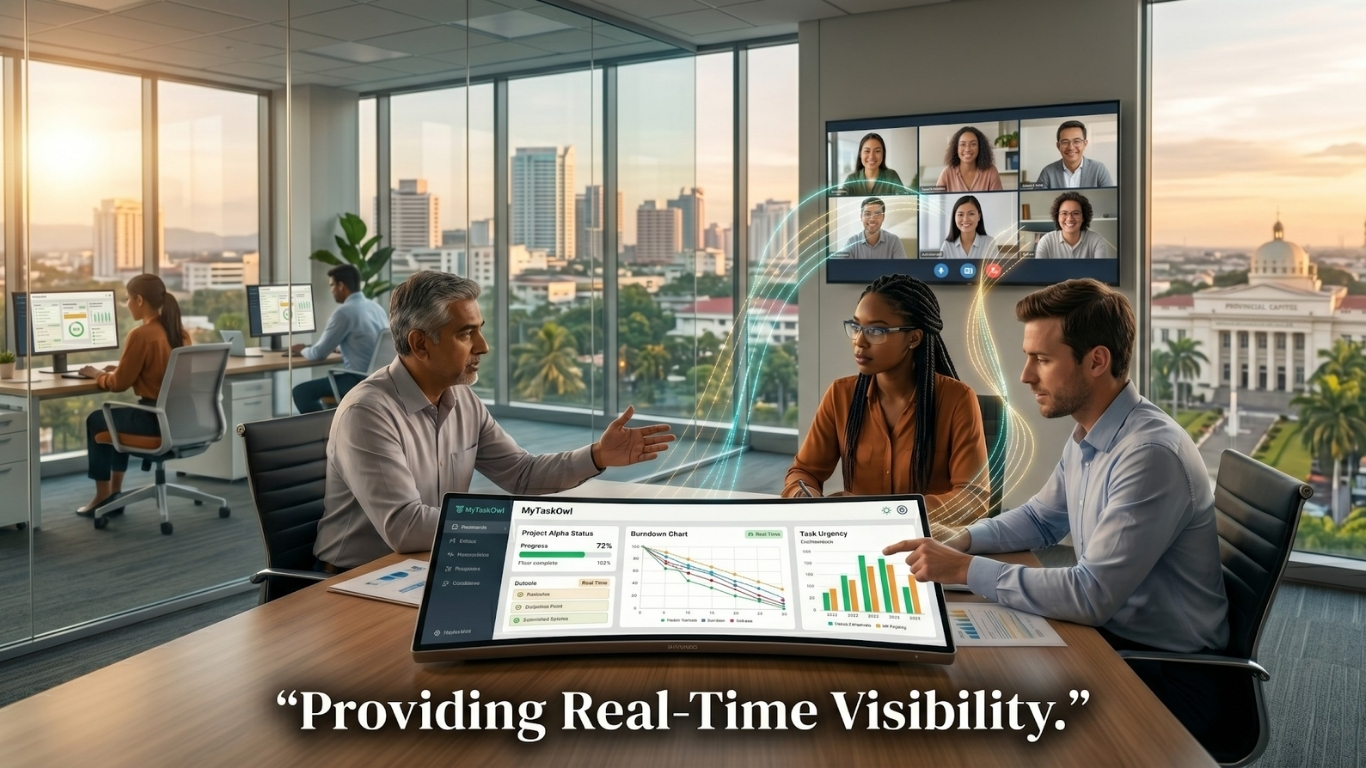
This is the core idea behind MyTaskOwl’s task management system. Built around Boards, Lists, and Cards, it gives task management for remote workers a structure that mirrors how people naturally think about projects: a pipeline, not a pile. Combined with integrated time tracking and team collaboration tools, managers can spot overdue tasks and workload imbalances before they become bottlenecks — not after a client call asking why their project is late.
Scheduling Is Accountability’s Quiet Partner
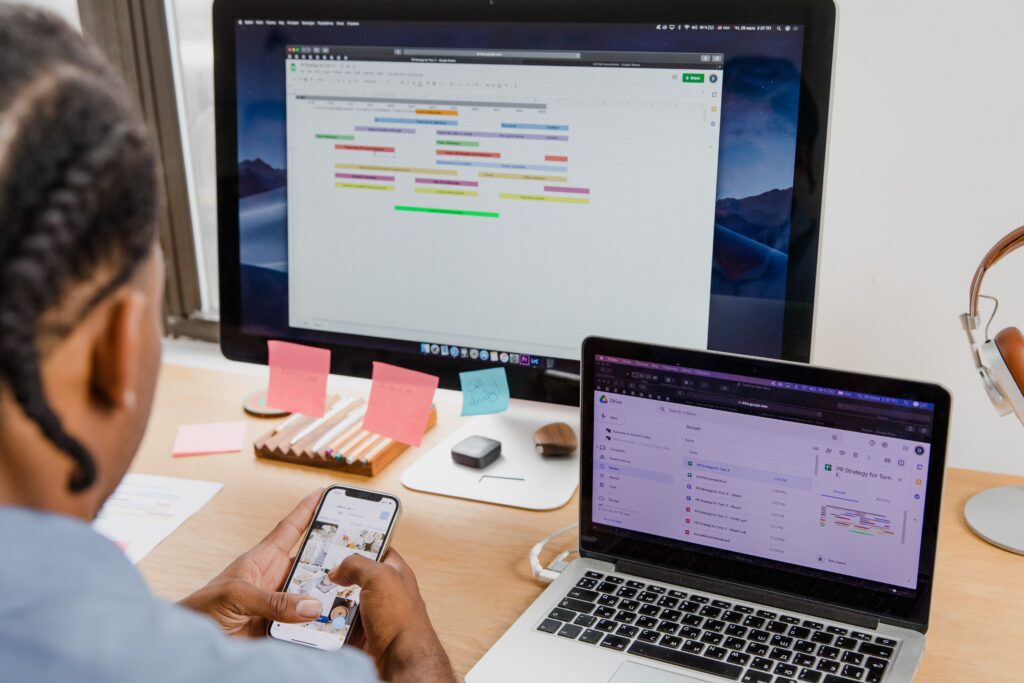
Task boards solve the “what” of accountability. Scheduling solves the “when.” Without a centralized way to assign shifts, plan capacity, and balance workloads, even the best task list turns into chaos the moment two people are double-booked or a shift goes uncovered.
Modern employee scheduling software and shift management software should integrate directly with your calendar and task system — not live as a separate spreadsheet someone forgets to update. When scheduling, tasks, and calendar reminders sync automatically, the entire concept of “falling through the cracks” mostly disappears.
The Missing Ingredient: Recognition
Here’s something most workforce management tools get wrong: they treat accountability purely as a tracking problem. Log the hours, flag the late tasks, generate the report. Done.
But accountability without recognition burns people out. If the only thing your tracking system ever does is flag what went wrong, your team will start to dread it. This is why MyTaskOwl built Ollie the Owl directly into its platform — an AI companion that doesn’t just monitor work, it celebrates it. Milestone alerts, encouraging feedback, and motivational nudges turn a tracking tool into something that actually makes people feel seen, not surveilled.
It’s a small shift with a real impact: teams using positive reinforcement alongside performance tracking tend to stay more engaged than teams managed through metrics alone.
How to Manage Remote Teams Without Micromanaging
If you’re looking to build real accountability without becoming the manager who checks Slack status dots all day, here’s a practical framework:
- Centralize the work. One board, one calendar, one source of truth — not five disconnected apps.
- Automate the visibility. Let time tracking and activity logs do the reporting so you’re not asking for status updates manually.
- Set privacy boundaries. Tools like MyTaskOwl offer customizable privacy controls so tracking supports trust instead of eroding it.
- Recognize the wins, not just the misses. Build positive feedback into the workflow, not just performance reviews.
- Review data, not vibes. Use real-time reports for payroll, productivity, and project oversight instead of guessing who’s “probably” busy.
Bringing It All Together

Remote team accountability was never really about trust versus tracking — it’s about having a system that makes good work visible and makes support easy to give. That’s the gap workforce management solutions like MyTaskOwl are designed to close: combining task management, scheduling, time tracking, and AI-driven encouragement into one platform built for how distributed teams actually work.
If your current setup still relies on spreadsheets, scattered apps, and hopeful assumptions, it might be time for an upgrade.
See it in action. Book a demo or download MyTaskOwl today and discover how AI-powered task management can help your remote team stay accountable, motivated, and genuinely connected.