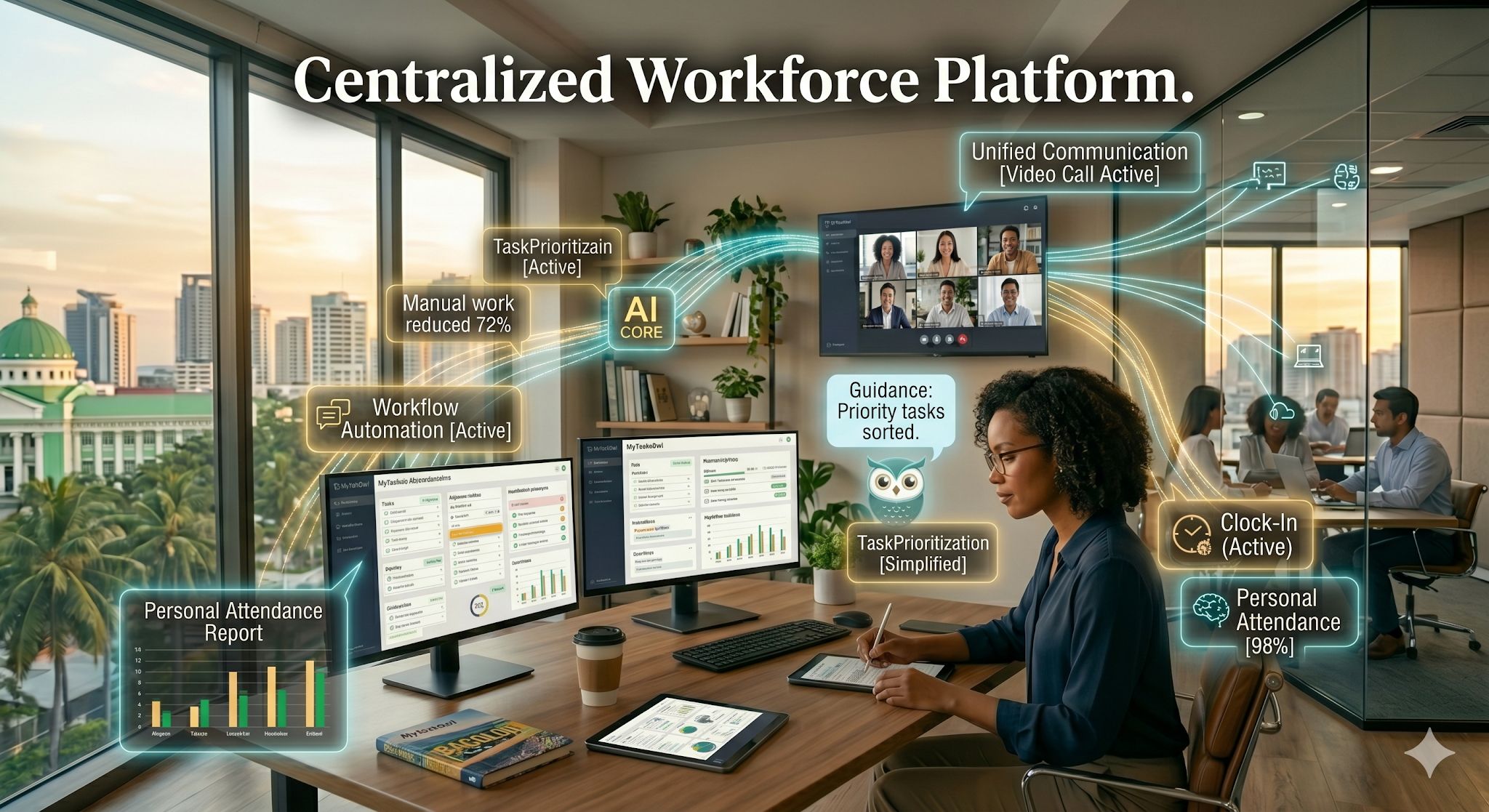
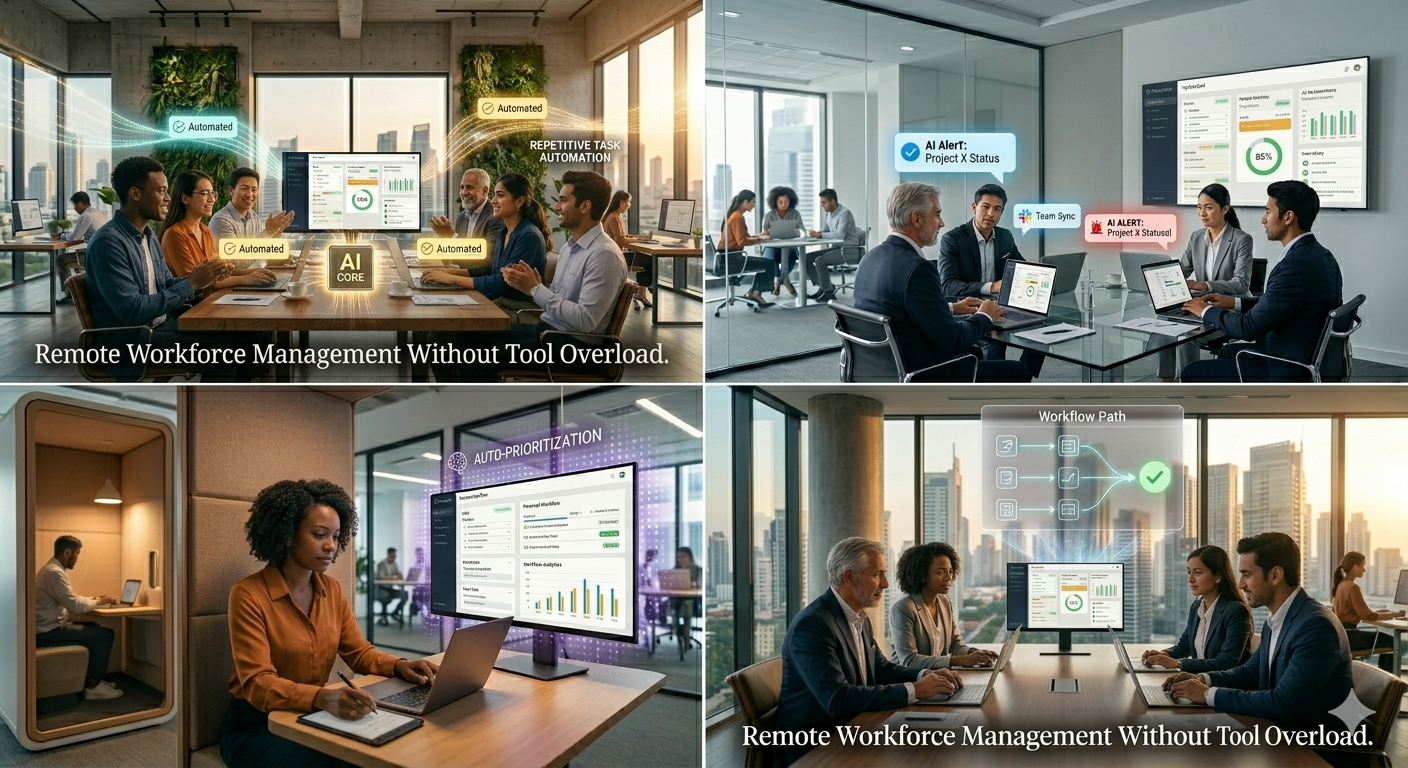
Most teams treat productivity like a race. Faster output, tighter deadlines, more tasks closed by Friday. The problem is that this approach burns people out long before it builds anything lasting. Real productivity is not about pressure. It is about clarity, rhythm, and tools that support people instead of policing them. That is exactly the philosophy behind MyTaskOwl, a platform built to help teams manage projects and track time without turning work into a constant performance review.
Why Pressure Backfires

When teams are pushed to move faster without the right systems in place, mistakes increase, communication breaks down, and motivation drops. Pressure might create short bursts of speed, but it rarely creates sustainable productivity. Employees start working around tools instead of with them, deadlines get missed quietly, and managers end up chasing updates instead of focusing on strategy.
The real issue is usually not effort. It is structure. Teams need a shared system that shows what is happening, who is responsible for what, and how time is actually being spent. Without that visibility, leaders default to micromanagement, and micromanagement is where pressure comes from.
A Better Way to Work: Visibility Over Vigilance
Instead of watching over people, the smarter approach is to give everyone a clear view of the work itself. This is where good project management and time tracking come in, not as surveillance tools, but as shared maps that keep a team aligned.
MyTaskOwl was designed around this idea. Rather than forcing employees to justify every minute, it gives teams an organized space to plan projects, assign tasks, and track time naturally as work happens. When time tracking is built into the workflow instead of bolted on as an afterthought, it stops feeling like monitoring and starts feeling like simple bookkeeping for your day.
This shift matters more than it sounds. Teams that feel watched tend to optimize for looking busy. Teams that feel trusted, supported by clear systems, tend to optimize for getting things done well. The difference shows up in output quality, retention, and overall morale.
The Role of Project Management in Reducing Stress
Disorganized projects are one of the biggest hidden sources of workplace pressure. When tasks live in scattered spreadsheets, chat threads, and someone’s memory, people are forced to constantly ask “what’s next” or “who’s doing this.” That uncertainty creates low-level anxiety that builds up over a workday.
Centralized project management solves this by giving every task a home, an owner, and a deadline that everyone can see. With MyTaskOwl, teams can break large projects into manageable steps, assign responsibilities clearly, and track progress without needing constant check-in meetings. When people know exactly what is expected of them and can see how their piece fits into the bigger picture, stress drops and focus improves.
This also changes how managers spend their time. Instead of spending hours chasing status updates, they can glance at a dashboard and immediately understand where a project stands. That time saved can go toward actual leadership: removing blockers, supporting the team, and planning ahead.
Time Tracking That Respects People
Time tracking has a reputation problem. Many employees associate it with distrust, as if every tracked hour is being used as evidence against them. That reputation is earned, because a lot of time tracking software was built primarily for oversight rather than insight.
MyTaskOwl takes a different approach. Time tracking is there to help both individuals and teams understand where their hours actually go, not to police them. For employees, this means better awareness of how long tasks really take, which leads to more realistic planning and fewer last-minute scrambles. For managers, it means accurate data for resourcing decisions instead of guesswork.
When time tracking is paired with thoughtful project management, the data becomes genuinely useful. Teams can see which types of tasks consistently take longer than expected, identify where workloads are unevenly distributed, and make staffing or scheduling adjustments based on facts rather than assumptions. This is productivity built on understanding, not pressure.
Building a Culture Around Sustainable Productivity

Tools alone do not fix a stressful work culture, but the right tools make a healthier culture much easier to maintain. When a platform like MyTaskOwl reduces the friction of planning, assigning, and tracking work, teams naturally spend less energy on coordination and more energy on the work itself.
A few practical habits help reinforce this culture:
Set realistic deadlines based on actual time data rather than optimistic guessing. Use project boards so priorities are visible to everyone, not just management. Review time tracking data as a learning tool during retrospectives, not as a performance score. Encourage team members to flag blockers early instead of quietly absorbing extra pressure.
These habits, supported by a system like MyTaskOwl, shift the team’s relationship with productivity. Instead of productivity being something demanded from people, it becomes something the team builds together through better visibility and smarter planning.
Final Thoughts
Productivity without pressure is not a soft or unrealistic idea. It is simply a more effective one. Teams that have clear project management, honest time tracking, and tools designed around trust consistently outperform teams running on stress and last-minute scrambling.
MyTaskOwl exists to support exactly this kind of work environment, one where time tracking and project management work for the team instead of against it. If your team is ready to trade pressure for clarity, it might be time to rethink the tools you are using to get work done.