Every manager has felt it: a project that seemed perfectly on track suddenly falls apart in the final stretch. Deadlines slip, nobody’s quite sure who owns what. By the time the postmortem happens, it’s too late to fix anything. Most of the time, the root cause isn’t a lack of effort — it’s fragmented project management. Here are five mistakes that quietly erode workforce reliability, and how MyTaskOwl was built to solve each one.
Mistake #1: Task Ownership Lives in Someone’s Head, Not the System

In a lot of teams, “who’s doing what” is common knowledge until it isn’t. Someone goes on leave, a new hire joins mid-project, or a manager gets pulled onto something else. Suddenly nobody can say with certainty who owns a given task. This is one of the fastest ways to destroy accountability.
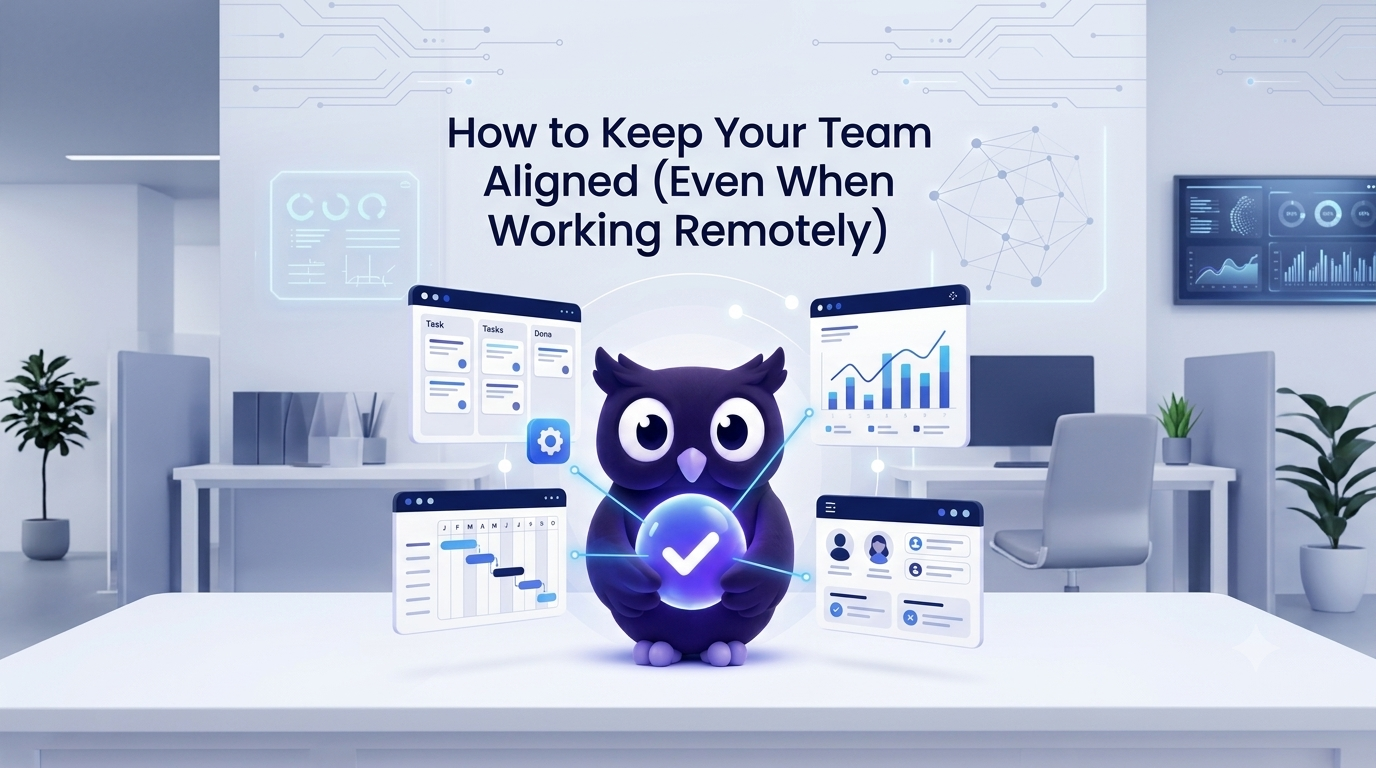
MyTaskOwl solves this with a visual board-and-card system where every task has a clear owner, a status, and a deadline visible to the whole team. Managers don’t have to ask “who’s on this” — they can see it instantly. That single change does more for workforce reliability than almost any other process fix. Notably, it removes the guesswork from daily coordination.
Mistake #2: Project Management Tools and Scheduling Live in Separate Apps
A shockingly common setup: tasks live in one app, schedules live in a shared calendar, and hour logging happens in a third tool entirely. Every week, someone has to manually cross-reference all three to figure out if the team is actually on pace. That process is slow, error-prone, and almost guarantees something falls through the cracks.
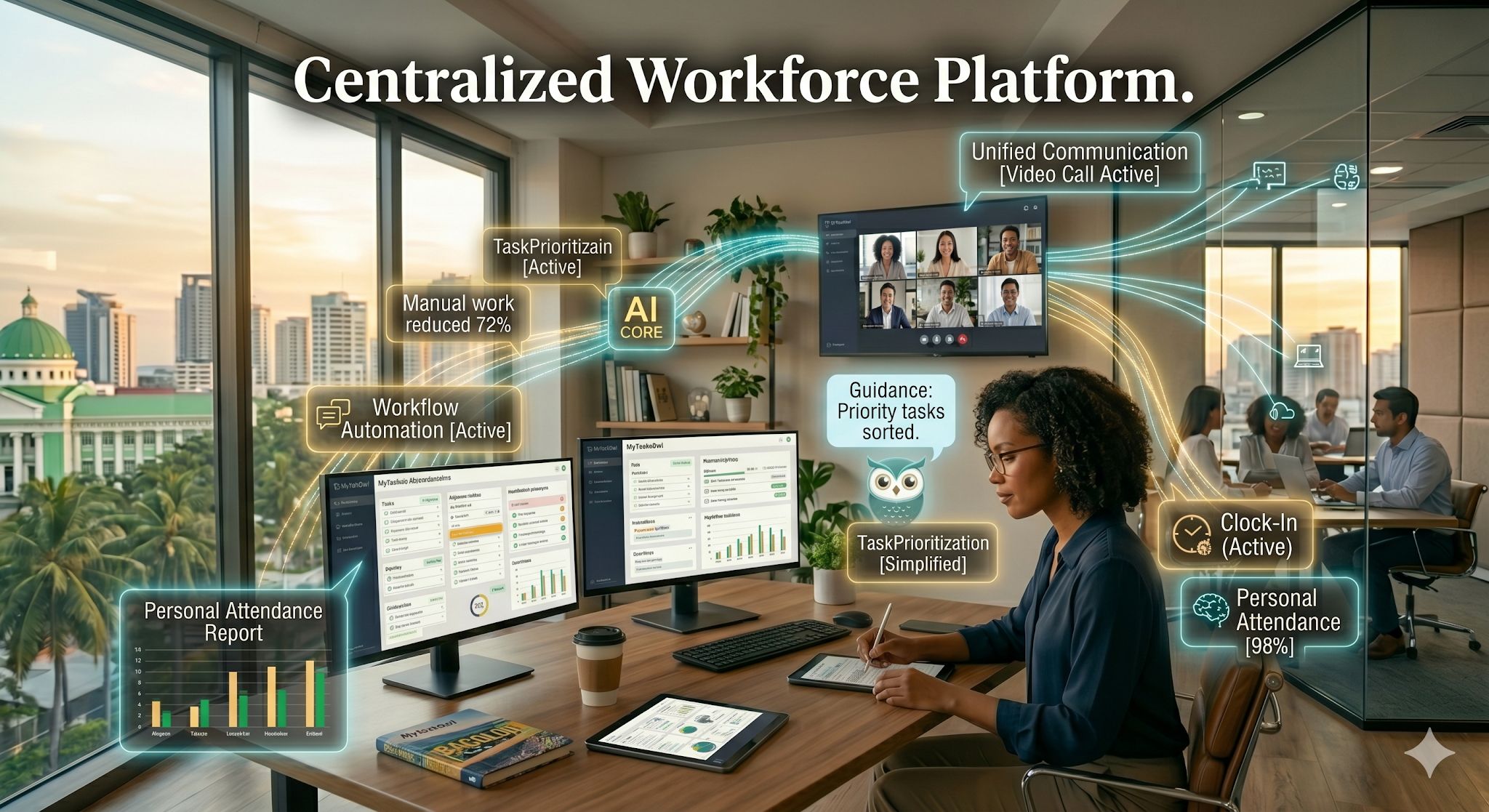
MyTaskOwl brings project management, scheduling, and Google Calendar integration into a single platform. When a task’s deadline changes, the calendar reflects it. When a shift is scheduled, the workload view updates automatically. Managers get one source of truth instead of three disconnected spreadsheets fighting each other for accuracy.
Mistake #3: No Real Visibility Into Workload Balance
It’s easy to assign tasks without a clear view of who’s already stretched thin and who has room to take on more. Overloading your best performers while others coast is one of the most reliable ways to burn out a team and tank morale. Moreover, it happens constantly when project management relies on gut feeling instead of data.
MyTaskOwl gives managers a meta view across the entire team: current workloads, task counts, and time already committed per person. All this is visible from one dashboard. Instead of assigning work reactively, managers can balance it proactively. This approach directly strengthens long-term workforce reliability. A team that isn’t constantly overloaded is a team that consistently delivers.
Mistake #4: Feedback Only Happens During Reviews
Waiting until a quarterly review to tell someone they’re doing great work — or that a project went sideways — means months pass. People have no idea how they’re actually performing in the meantime. That silence breeds disengagement. Furthermore, disengaged employees are far less reliable than motivated ones.
This is where Ollie, MyTaskOwl’s AI-powered companion, changes the dynamic entirely. Ollie delivers real-time encouragement, celebrates milestones as they happen, and sends supportive nudges when momentum slows. Positive reinforcement built directly into daily project management keeps people engaged between formal reviews, not just during them. Teams that feel recognized in the moment tend to stay far more consistent and reliable over time than teams that only hear feedback once a quarter.
Mistake #5: Reporting Is an Afterthought Instead of a Built-In Feature
Many teams treat reporting as a separate, painful task that happens after the fact — pulling data from multiple tools, formatting it by hand, and hoping nothing was missed. By the time a report is ready, the information is already stale, and it’s too late to act on the insights it contains.
MyTaskOwl generates real-time reports automatically, drawing from the same live data used across task boards, scheduling, and hour tracking. Managers can pull payroll-ready reports, productivity summaries, and project status updates without stitching together data from separate systems. When reporting is instant instead of retrospective, decisions happen faster. That speed is a huge part of what makes a workforce genuinely reliable under pressure.
Turning These Fixes Into a Habit

None of these five fixes require a total operational overhaul. What they require is a platform where project management, scheduling, time tracking, and communication all live in the same place. After all, reliability isn’t built through more oversight, it’s built through better visibility. When managers can see task ownership, workload balance, and progress in real time, small problems get caught before they become project-ending ones.
MyTaskOwl was designed around exactly this principle: give teams one connected system instead of five disconnected tools. Pair it with an AI companion that keeps morale high along the way. The result isn’t just smoother projects — it’s a workforce that shows up consistently, delivers on time, and trusts the system supporting them.
If your team has been quietly living with one or more of these mistakes, it might be time for a platform that closes the gaps instead of papering over them. Explore MyTaskOwl’s project management features, meet Ollie the Owl, and see what a more connected, more reliable way of working actually feels like.
What Reliability Actually Looks Like Day to Day
It’s worth pausing on what “workforce reliability” really means in practice, because it’s easy to treat it as an abstract goal instead of something you can measure. A reliable workforce shows up in small, concrete ways. Deadlines get hit without last-minute scrambling, handoffs between team members don’t require a dozen follow-up messages, and managers can answer “how are we tracking against this project” in seconds rather than hours.
None of that happens by accident. It happens when the underlying system removes friction from everyday coordination — when task ownership is obvious, workloads are balanced before they become a problem, and feedback happens continuously instead of once a quarter. Every one of the five mistakes above chips away at reliability in a slightly different way. However, they share a common root: information that should be centralized ends up scattered across tools, inboxes, and people’s memory instead.
Making the Shift Without Disrupting Your Team
Switching project management systems can feel risky, especially for teams that are already stretched thin. The good news is that MyTaskOwl was built to fit naturally into how remote, hybrid, and in-office teams already work, rather than forcing a complete process overhaul on day one. Boards and cards mirror the kanban-style workflows many teams already use, scheduling syncs directly with Google Calendar, and reporting runs in the background. Nobody needs to change how they log their day.
That gradual, low-friction adoption is often what separates a successful platform switch from a failed one. Teams don’t need to relearn how they work — they just need a system smart enough to catch the gaps their old tools were quietly leaving behind.